Most homeowners have a longer list of potential home improvements than they have budget or time for. The question worth asking upfront is which ones actually hold up. A lot of projects look reasonable from the outside and disappoint after the work is done.
Here are the improvements that are actually worth the effort, both for how your home feels to live in and what it’s worth when you decide to sell it.
Replacing Old Windows
Old windows deteriorate slowly enough that most homeowners don’t notice until the problems add up. You notice a draft in winter, then higher energy bills. Then condensation starts to build up between the panes. By the time most homeowners replace their windows, they’ve been living with the issue for years.
New windows make a noticeable difference almost immediately. Rooms hold temperature better without the HVAC working as hard, and outside noise drops considerably. From a resale perspective, window replacement consistently ranks among the higher-returning exterior improvement projects in recent studies.
Getting the right type of window for your climate and your home’s construction matters. A specialist in window installation can tell you what works best for your specific situation. And getting a few quotes from people who do this work regularly before committing is worth the time.
Updating Your Bathroom
A bathroom that works poorly affects daily life more than almost any other part of your home. A slow drain or a vanity that has been there since previous owners are the kinds of things you stop noticing until a quest points them out.
A bathroom update doesn’t have to be a full renovation to make a real difference. Replacing a vanity or retiling a shower can change how the space looks and functions for a fraction of the cost of a complete remodel. In many markets, buyers notice and respond to an updated bathroom more than almost any other interior improvement.
Full remodels make sense when the existing space has real functional problems. A poor layout or inadequate storage is worth addressing properly if you’re already doing major work in the room. If the structure is sound, however, a targeted refresh returns more on the investment.
Fixing the Roof Before It Becomes an Emergency
Roof issues are easy to ignore. A few missing shingles or some wear around the flashing feel like minor problems right up until they cause water damage to the rooms below.
Proactive roof maintenance costs significantly less than emergency replacements. A home with a roof in good condition is also far easier to sell. Lenders sometimes won’t approve financing on homes where an inspector flags roofing as a concern, which can derail a sale entirely.
If your roof is more than 15 years old or you’ve noticed any warning signs, having it looked at by a roofing specialist before problems compound further is a reasonable step. Platforms like FixiHouse connect homeowners directly with local roofing contractors, so finding someone who does this work regularly isn’t the hard part.
Improving Insulation
This is the improvement most homeowners overlook because it’s invisible. You can’t see insulation working. But you feel it in how the house holds temperature from room to room. Energy bills that don’t climb as quickly in winter or summer are usually the first sign that something has improved.
Homes built before the 1990s are frequently under-insulated by current standards. Attic insulation, in particular, is one of the higher-returning improvements available. It pays off in comfort first, and in energy cost savings over time. Some upgrades also qualify for federal tax credits under the Inflation Reduction Act, which changes the math on whether it makes financial sense to do sooner.
It’s not a glamorous project, and most homeowners put it off for that reason. Few improvements do more per dollar spent.
Taking Care of the Exterior
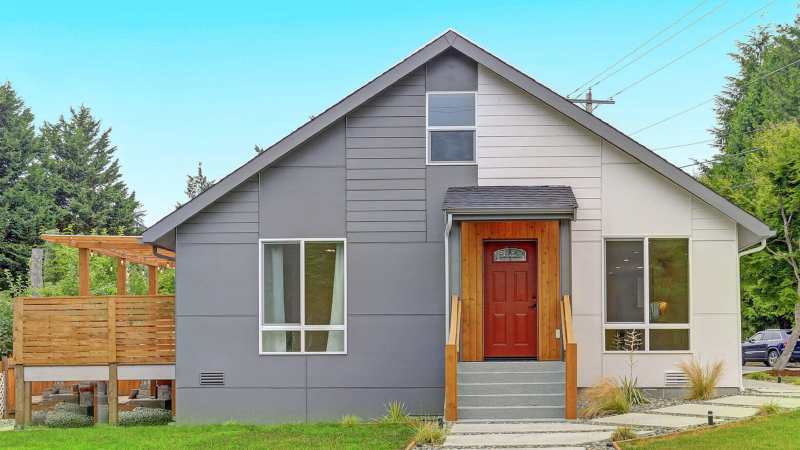
A buyer, or anyone approaching your home for the first time, forms an impression before stepping inside. A well-maintained exterior shows that the property has been cared for. A neglected one raises questions about what else hasn’t been addressed.
This doesn’t require expensive landscaping or a full exterior renovation. Fresh paint on trim and clean gutters are relatively modest investments. Replacing siding where it’s visibly damaged also changes how a home reads from the outside.
Of these, garage door replacement consistently turns up as one of the best-returning projects in resale surveys. It outperforms many interior renovations that cost considerably more.
Where to Start
The improvements that hold up over time are rarely the most exciting ones to plan. Most homeowners put off the work that actually protects the investment already made in the property. They prioritize visible upgrades instead. Getting the order right matters most.
The projects that address what’s structurally or functionally wrong with a home are the ones worth doing first. Everything else builds on that foundation.