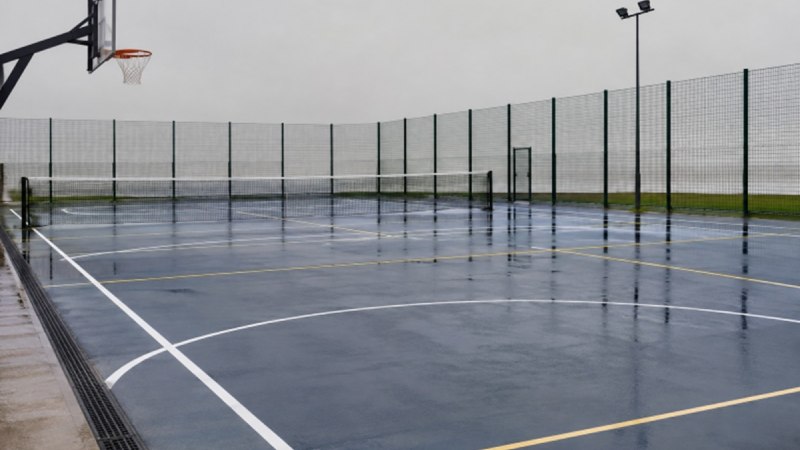
Schools, park districts, homeowner associations, recreation centers, and athletic clubs across the metro area need courts that are safe, playable, and practical to maintain through changing Missouri weather. For organizations evaluating sports construction St Louis MO, McConnell & Associates is a St. Louis-area specialist in the design, construction, reconstruction, resurfacing, and maintenance of tennis, pickleball, basketball, futsal, and running track surfaces.
A sports court is much more than a painted playing area. Its long-term performance depends on the site, base, drainage, surface system, layout, fencing, lighting, and maintenance habits established before opening day. A court can look excellent when it is first completed yet develop cracks, standing water, or coating problems if the underlying conditions were not addressed.
Why Planning Matters Before Construction
Early planning creates a clearer scope of work and helps owners compare proposals on equal terms. It also allows the project team to account for required clearances, access routes, equipment locations, drainage paths, accessible circulation, and future maintenance before construction begins. This is especially important for community facilities that expect heavy daily use from players, students, families, and maintenance staff.
Start With A Careful Site Check
Before approving a design, inspect the existing asphalt or concrete, soil and subgrade conditions, slopes, runoff patterns, nearby trees, utility locations, and equipment access. Measure the usable footprint, including space for fencing, walkways, seating, storage, and safe player circulation.
- Look for low spots where water collects after rain.
- Mark cracks, heaving, soft areas, and uneven transitions.
- Check whether roots, branches, gutters, or landscaping can affect the court.
- Document how players, spectators, and service crews will enter the area.
- Confirm permit, accessibility, and local site requirements before work starts.
Choose The Right Surface For The Sport
No single surface is ideal for every facility. The appropriate choice should reflect the sport, expected traffic, player age, indoor or outdoor exposure, budget, and staff capacity for cleaning and repairs. As surface choices should match a facility’s programming and maintenance needs, owners should evaluate the complete system rather than selecting solely by initial price.
- Tennis: Consider hard or clay-style options, line precision, ball response, and player expectations.
- Pickleball: Plan for court spacing, visible color contrast, shared-use lines, sound considerations, and acrylic or cushioned systems.
- Basketball: Focus on traction, ball response, shock absorption, weather exposure, and correctly placed markings.
- Running tracks: Prioritize consistent footing, resilient materials, drainage, lane markings, and repairable high-use areas.
- Multi-use courts: Balance durable surfaces with clear markings, compatible equipment, scheduling needs, and manageable maintenance.
Plan For Drainage And St. Louis Weather
Water management is a core construction issue, not a finishing detail. Standing water can stain coatings, create slippery conditions, and reveal drainage or slope problems. St. Louis experiences seasonal temperature swings, rain, heat, humidity, and freezing weather, so construction schedules and maintenance plans need weather-appropriate curing windows. The regional climate summary for St. Louis also shows why facility managers should prepare for both heavy rain and winter temperature variation.
- Inspect the surface and runoff routes after heavy rain.
- Remove leaves and debris before they hold moisture against the court.
- Check for cracks that widen or change after winter.
- Keep gutters, drains, and edge channels clear.
- Record recurring water problems with notes and photos.
Build Safety Into Every Detail
Safe courts require attention beyond the playing surface. Use durable, high-contrast lines; keep transitions to walkways smooth; and inspect fencing, gates, posts, benches, padding, and lighting. Lighting should support visibility without producing excessive glare. Drains, expansion joints, surface edges, and equipment anchors deserve regular attention because they can become trip hazards when damaged or poorly maintained.
Create A Simple Maintenance Plan
Weekly Tasks
- Remove debris, trash, leaves, and standing water.
- Check nets, posts, gates, fencing, and lights.
- Look for new cracks, loose materials, peeling coatings, or damaged lines.
Monthly And Seasonal Tasks
- Inspect drainage routes, court edges, high-use zones, and surface traction.
- Update a maintenance log with photos, dates, and observations.
- Review winter damage, vegetation growth, crack repair needs, and coating condition before peak use periods.
Know When To Repair, Resurface, Or Rebuild
Repair is appropriate for isolated cracks, minor drainage corrections, loose hardware, and small damaged areas. The work should address the cause of the problem, not simply cover the visible symptom.
Resurfacing can be a practical option when the base remains stable, but coatings, texture, color, or game lines are worn. It may include cleaning, crack treatment, fresh surface coatings, and restriping.
Replacement or rebuilding may be necessary when there is major movement, repeated cracking, chronic standing water, or base failure. A professional site evaluation can help owners avoid repeatedly spending on short-term repairs that do not solve the underlying issue.
Build A Long-Term Budget And Evaluate Partners
Separate initial construction costs from ongoing expenses for inspections, cleaning, drainage work, crack repair, coatings, line painting, fencing, and lighting. Set aside contingency funds for concealed base or drainage conditions, and account for temporary closures when planning programming.
- Define the sports, users, and expected hours of use.
- Document existing site conditions before requesting proposals.
- Compare written scopes, materials, drainage methods, schedules, warranties, and safety procedures.
- Separate essential work from optional upgrades.
- Estimate maintenance needs over at least five years and review the plan annually.
Common Questions About Sports Court Projects
How Often Should An Outdoor Court Be Inspected?
Visual checks should occur routinely, with more detailed reviews after severe weather, before busy seasons, and whenever users report a change in surface condition.
What Are Early Signs Of Court Trouble?
Standing water, new cracks, fading lines, peeling coatings, uneven areas, loose fencing, and changes in traction all warrant attention.
Can One Court Support Several Sports?
Yes, provided the layout accounts for line visibility, safety zones, equipment placement, circulation space, user traffic, and scheduling demands.
A successful St. Louis court project treats construction and upkeep as one connected plan. With careful site review, appropriate materials, reliable drainage, safety-focused details, and consistent maintenance, community facilities can support more dependable play for years to come.