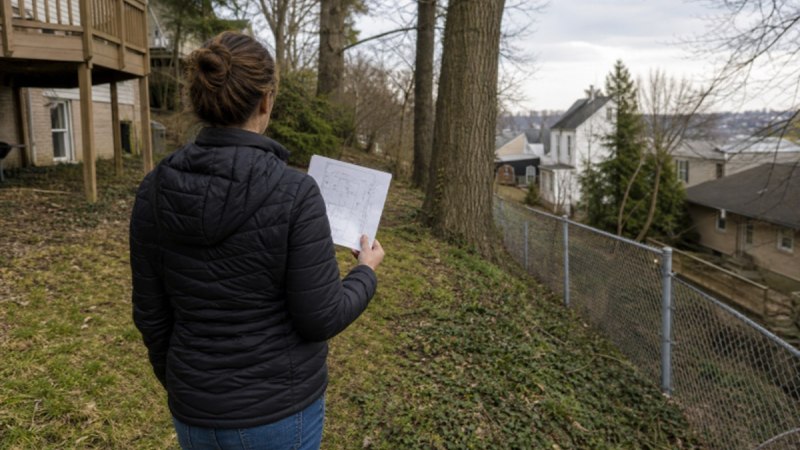
Planning a fence in Greater Cincinnati starts with the property itself. Hillside yards, mature trees, clay-heavy soil in some areas, and close-set neighborhood lots can all influence the best layout. A thoughtfully designed chain link fence Cincinnati, OH homeowners choose can provide a durable, open boundary while still adapting to pets, pools, gardens, and everyday access needs.
The best results come from making practical decisions before materials are ordered. A fence that looks fine on a simple sketch may create gate conflicts, drainage issues, pet escape points, or property-line disputes once installation begins. Use the following steps to create a plan that fits the way your Cincinnati-area yard is used throughout the year.
1. Start With the Fence’s Main Job
Before comparing colors or coatings, identify what the fence must do. A boundary fence may need clear visibility and a straightforward layout. A dog run may need tighter mesh, stronger gate hardware, and protection against digging. A pool enclosure requires a separate level of safety planning. When one fence serves several purposes, let the strictest need guide the design.
- Pet containment: Focus on height, mesh openings, ground clearance, and secure latches.
- Pool safety: Prioritize a complete enclosure, controlled access, and code-compliant gates.
- Property definition: Focus on accurate boundaries, setbacks, and access between neighboring lots.
- Garden protection: Consider smaller openings or added measures that discourage animal entry.
2. Review the Property Before Planning the Layout
Make a basic site sketch that includes the house, driveway, patio, sheds, decks, utility equipment, large trees, slopes, and existing fences. In Cincinnati, a seemingly level backyard can still have subtle grade changes that leave openings under a fence or direct runoff toward a gate. Identify low areas that stay wet after rain and avoid placing gates where mud or standing water will interfere with use.
Do not assume an old fence, a row of shrubs, or a mowing line marks the legal boundary. Review available property records and consider a survey when the line is uncertain. Before any post holes are dug, contact the state’s utility-notification service, since Ohio homeowners are asked to notify OHIO811 before digging for fence posts, landscaping, and other excavation projects.
Account for Trees, Roots, and Slopes
Mature trees add character to many Cincinnati properties, but roots can complicate a straight fence line. Moving a post slightly, using a stepped layout on a slope, or revising the route may be more practical than forcing a post into a root-filled area. A field adjustment should not move the fence across a confirmed property line, so establish the boundary first.
3. Choose the Right Height and Mesh
Fence height and mesh opening should reflect who or what the fence is meant to contain or exclude. A low fence can work for visual boundaries and limited garden areas. A medium-height fence is common for many yards and dogs. Taller fencing may be appropriate for athletic pets or areas that need greater separation, subject to local requirements.
- Small pets and puppies: Smaller mesh openings help reduce the chance of squeezing through.
- Large or active dogs: Consider adequate height, a sturdy top rail, dependable tension, and a plan for digging or climbing behavior.
- Gardens: Select an opening that fits the animals you are trying to keep out while preserving airflow and visibility.
- Open yards: Standard mesh can create a clear boundary without making a small lot feel closed in.
4. Plan for Pets and Animal Enclosures
Pet behavior matters as much as pet size. Some dogs test a fence by digging at the bottom, jumping near corners, pushing against gates, or reacting to squirrels and passing pedestrians. Walk the entire proposed line with those habits in mind. Check where a pet might gain leverage from a retaining wall, stacked firewood, deck steps, or a raised planting bed.
For a dog enclosure, inspect the bottom edge after final grading. Soil can settle, wash away, or shift after freeze-and-thaw cycles, creating gaps that were not present on installation day. Use latches that are easy for adults to operate but not likely to be opened by pets. If a gate will be used frequently, choose hardware built for repeated use rather than treating it as an afterthought.
5. Use Extra Care Around Pools
A pool barrier is not simply a backyard fence with a different location. It is a safety feature designed to limit unsupervised access to water. The U.S. Consumer Product Safety Commission recommends layers of protection that include barriers completely surrounding the pool, along with self-closing and self-latching gates. Its pool drowning-prevention guidance also emphasizes supervision, emergency preparation, and added protections when a home forms part of the pool boundary.
Local requirements must be checked before selecting height, mesh, gate swing, or latch placement. In Cincinnati, pool enclosure rules and fence approvals can differ from the needs of an ordinary yard fence. Limit entry points, keep gates in good working order, and never rely on a fence as a replacement for active supervision.
6. Place Gates for Everyday Access
Gate placement often determines whether a fence feels convenient or frustrating. Think through trash collection, mowing, moving patio furniture, bringing in mulch, accessing a shed, and entering with bicycles or wheelbarrows. A pedestrian gate near the house may be useful for daily use, while a wider service gate can simplify larger yard projects.
- Confirm that the gate can open fully without striking a slope, step, shrub, or vehicle.
- Keep gate openings away from drainage paths where water may erode the ground beneath them.
- Make sure the latch is reachable from the side where it will be used most often.
- Consider how pets will remain contained when a person enters or exits.
- Add a lock or child-resistant feature where access needs to be restricted.
7. Compare Finish and Privacy Options
Galvanized chain link is a familiar choice for a functional, traditional appearance. Coated options can blend more quietly with lawns, landscaping, and darker exterior finishes. Privacy slats, windscreens, and planted screening can further change the look, but they also increase wind resistance and may require more attention after storms. Check neighborhood rules before adding screening or selecting an especially opaque design.
8. Check Rules, Setbacks, and Property Lines
Rules can vary by municipality, zoning district, historic designation, homeowners’ association, and fence location on the lot. The City of Cincinnati notes that approval requirements can depend on fence height and location, and its published guidance addresses visibility limits near driveways and streets. Review the city’s current fence height and zoning information for the address involved, then confirm whether county, township, HOA, or utility easement rules also apply.
Check maximum height, front-yard restrictions, corner-lot visibility, easements, pool rules, and required site plans. A few minutes spent confirming these details can prevent costly relocation or redesign later.
9. Avoid Common Planning Mistakes
- Building on an assumed boundary instead of a confirmed one.
- Choosing a mesh that is too open for a small pet.
- Ignoring grade changes and leaving escape gaps beneath the fabric.
- Installing a gate that is too narrow for yard equipment.
- Adding privacy material without considering wind exposure.
- Assuming a pool enclosure follows the same rules as a basic boundary fence.
10. Build a Simple Maintenance Routine
Walk the fence line several times a year and after severe weather. Look for loose fittings, leaning posts, damaged mesh, sagging gates, rust spots, vegetation pressure, and erosion beneath the fabric. Test every latch and hinge, clear vines and branches before they pull on the fence, and correct small problems before they spread across a longer section. With planning and routine care, a chain link fence can remain a practical part of a Cincinnati property for years.