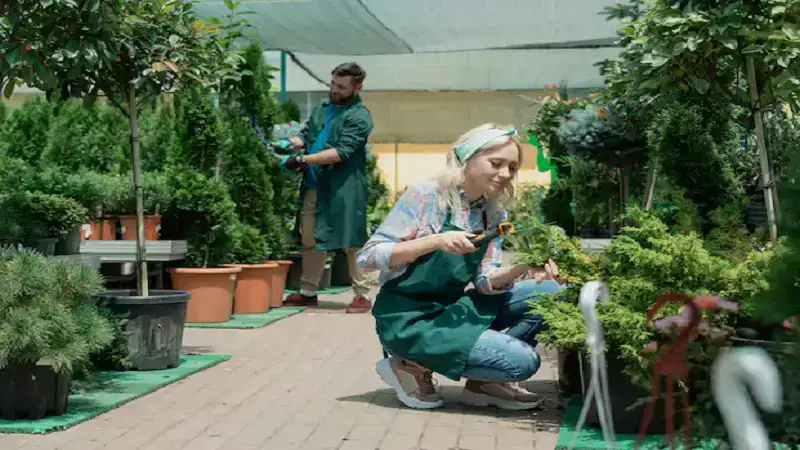
A well-designed landscape does more than enhance the appearance of your home—it improves daily living, supports sustainability, and increases property value. The best outdoor spaces feel effortless, blending beauty and usefulness in a way that suits both lifestyle and environment. Learning how to create a landscape that is both functional and visually stunning requires thoughtful planning, informed choices, and long-term thinking rather than quick decorative fixes.
Start With a Clear Vision and Purpose
Every successful landscape begins with clarity. Before sketching designs or purchasing plants, define what you want your outdoor space to do. Is it a peaceful retreat? A family-friendly yard? A place for entertaining guests? Or a low-maintenance garden that complements your home?
Your landscape should serve real-life needs, not just visual appeal. A visually striking garden that lacks seating, shade, or practical flow quickly loses its charm. When purpose leads the design, beauty follows naturally.
Key questions to ask:
-
How often will the space be used?
-
Who will use it—children, adults, pets, guests?
-
Is privacy important?
-
How much maintenance are you realistically willing to handle?
Clear answers help shape every decision going forward.
Analyze Your Site Conditions Thoroughly
No two landscapes are the same. Site analysis ensures your design works with nature, not against it. Begin by observing your outdoor space at different times of the day and during different weather conditions.
Consider:
-
Sun and shade patterns
-
Soil type and drainage
-
Wind exposure
-
Slopes or uneven ground
-
Existing trees, plants, or structures
Ignoring these factors often leads to plant failure, drainage problems, and wasted investment. A functional landscape respects the limitations and strengths of its natural setting.
Create Functional Zones for Daily Living
Zoning is a cornerstone of functional landscape design. Dividing your yard into distinct areas allows different activities to coexist without conflict. Even small yards benefit greatly from clear zoning.
Common landscape zones include:
-
Entrance or front garden
-
Outdoor dining space
-
Relaxation or lounge area
-
Play zone for children
-
Garden or planting beds
-
Service areas (storage, trash, utilities)
Zones can be separated using pathways, hedges, pergolas, level changes, or material transitions. Thoughtful zoning improves flow, organization, and comfort.
Design Smooth Transitions and Flow
A landscape should feel intuitive to move through. Movement paths guide users naturally and protect delicate areas from damage. Poor flow makes outdoor spaces feel awkward and underused.
Paths should:
-
Connect key areas directly
-
Feel proportionate to the space
-
Use materials suited to foot traffic
-
Follow natural walking patterns
Curved paths create softness and elegance, while straight paths feel modern and direct. Choose the approach that complements your home’s architecture and design style.
Balance Softscape and Hardscape Elements
Softscape refers to living components—plants, grass, trees—while hardscape includes non-living features such as patios, walkways, walls, and decks. A visually stunning yet practical landscape depends on balance between the two.
Too much softscape:
-
Increases maintenance
-
Limits usability
-
Feels uncontrolled
Too much hardscape:
-
Feels cold and sterile
-
Increases heat reflection
-
Reduces environmental benefits
A smart mix improves functionality, comfort, and longevity while maintaining visual harmony.
Select Plants for Structure, Not Just Color
Plant selection is often where landscapes fail. Choosing plants purely for appearance without considering growth habits leads to overcrowding, excessive pruning, and long-term issues.
A functional planting strategy includes:
-
Structural plants (trees, shrubs)
-
Seasonal interest plants
-
Ground covers for erosion control
-
Accent plants for focal areas
Native and climate-adapted plants generally require less water, resist pests better, and thrive longer. This approach supports both sustainability and visual consistency.
Plan for Year-Round Visual Interest
A landscape should never look empty or dull. Designing for all seasons ensures consistent appeal regardless of weather or time of year.
Ways to achieve year-round beauty:
-
Evergreens for winter structure
-
Plants with varied bloom times
-
Textural elements (bark, seed heads)
-
Hardscape features with visual weight
Seasonal consideration turns a landscape from a temporary display into a lasting experience.
Integrate Lighting for Function and Atmosphere
Outdoor lighting enhances safety, usability, and aesthetic impact. A well-lit landscape remains functional even after sunset.
Effective lighting layers include:
-
Path and step lighting for safety
-
Task lighting for cooking or seating areas
-
Accent lighting for trees, walls, or water features
Use energy-efficient LED or solar lights and avoid overlighting. Subtle illumination feels elegant and inviting, while excessive light ruins atmosphere.
Address Privacy With Natural Solutions
Privacy adds comfort and value but should never overpower the design. Instead of relying solely on fences, use living elements that soften boundaries.
Natural privacy options include:
-
Tall hedges
-
Layered plantings
-
Ornamental grasses
-
Trellises with climbers
These elements feel organic, improve air quality, and blend seamlessly into the landscape.
Design Comfortable Outdoor Living Areas
A stunning landscape should invite people to stay, not just admire from a distance. Seating and gathering areas bring true functionality to outdoor spaces.
Key comfort considerations:
-
Shade from trees, pergolas, or umbrellas
-
Wind protection
-
Durable, weather-resistant furniture
-
Proximity to indoor spaces
Whether it’s a quiet reading corner or a lively entertaining space, comfort transforms a landscape into a usable extension of the home.
Include Water Features With Purpose
Water elements add sound, movement, and tranquility. When designed properly, they become powerful focal points rather than maintenance burdens.
Options include:
-
Garden fountains
-
Ponds
-
Reflecting pools
-
Water walls
Ensure water features are correctly scaled, properly filtered, and easy to maintain. Simplicity often creates the strongest visual impact.
Use Color and Texture to Build Visual Depth
Color and texture shape emotional response. A harmonious palette calms the eye, while contrast adds energy and interest.
Tips for effective use:
-
Limit bold colors to focal areas
-
Repetition creates unity
-
Texture adds depth even without color
Texture becomes especially important during seasons when flowers fade, helping maintain visual richness.
Prioritize Maintenance in the Design Stage
A functional landscape must remain manageable. Overly complex designs often decline quickly due to neglected maintenance.
Low-maintenance strategies include:
-
Mulching planting beds
-
Grouping plants with similar needs
-
Automated irrigation
-
Durable hardscape materials
Designing for maintenance upfront protects your long-term investment.
Incorporate Sustainable and Eco-Friendly Practices
Sustainability enhances function, reduces cost, and supports local ecosystems.
Eco-friendly features include:
-
Rainwater harvesting
-
Drip irrigation
-
Permeable paving
-
Composting areas
-
Native plantings
Sustainable landscapes age better and align with responsible living.
Ensure Proper Drainage and Soil Health
Drainage problems undermine both beauty and function. Standing water damages plants, structures, and usability.
Solutions may include:
-
Grading adjustments
-
French drains
-
Raised beds
-
Soil amendments
Healthy soil supports healthier plants, reducing maintenance and replacement costs.
Personalize the Landscape Experience
The best landscapes reflect the people who use them. Personalization transforms design into emotional connection.
Ideas include:
-
Vegetable or herb gardens
-
Meditation or yoga spaces
-
Fire pits
-
Children’s activity zones
These features turn outdoor spaces into cherished daily environments.
Review, Simplify, and Refine the Design
Before completion, review the plan as a whole. Ask whether everything serves a purpose and whether the design feels balanced.
Often, removing unnecessary elements strengthens both function and beauty. Simplicity elevates good design into great design.
Think Long-Term for Lasting Success
Plants grow, needs change, and spaces evolve. A successful landscape allows flexibility and anticipates growth.
When designed with patience and intention, how to create a landscape that is both functional and visually stunning becomes less about decoration and more about intelligent living—outdoors designed to support comfort, beauty, and everyday life for years to come.