Mold on interior walls is more than just an aesthetic concern—it can significantly impact your home’s indoor air quality and even trigger allergic reactions, respiratory irritation, or other health issues. Whether the mold is confined to a small, isolated area or has spread across a larger section of the wall, understanding how to remove it thoroughly and safely is essential. With the right tools, methods, and safety measures, you can restore your walls, eliminate unpleasant odors, and keep your living environment clean and healthy.
Before diving into any cleaning process, it’s important to learn about the safest and most reliable mold removal techniques. For a comprehensive, step-by-step guide with additional tips, be sure to visit this resource:how to remove mold from walls. This information can help you make informed decisions and ensure you’re using the most effective methods for your specific situation.
What Causes Mold to Grow on Walls?
Mold develops in environments where moisture, warmth, and organic material coexist. Walls that are consistently damp or poorly ventilated can quickly become breeding grounds for mold. Some common causes include persistent water leaks from plumbing issues or roofing damage, condensation forming due to temperature differences between indoor and outdoor air, high humidity levels, or insufficient airflow in enclosed spaces. Identifying the root cause of the moisture problem is essential because treating only the mold—without addressing the moisture source—often results in the mold returning.
If left unaddressed, mold can gradually damage paint, drywall, and even the structural integrity of your walls. Understanding why mold forms is the first step in creating a long-term solution.
Essential Safety Precautions
Because mold spores can irritate the skin, eyes, and respiratory system, taking proper safety precautions is non-negotiable. Before beginning the cleaning process, always:
- Wear gloves to protect your skin from irritation
- Use safety goggles to prevent spores or cleaning solutions from entering your eyes
- Wear a mask or respirator to avoid inhaling spores
- Ensure proper ventilation by opening windows and doors
- Avoid dry-brushing or aggressively scraping mold, as this can release spores into the air
- Keep children, pets, and anyone with allergies or asthma away from the work area
These precautions help minimize health risks and make the removal process safer and more effective.
Best Methods for Removing Mold From Walls
1. Soap and Water
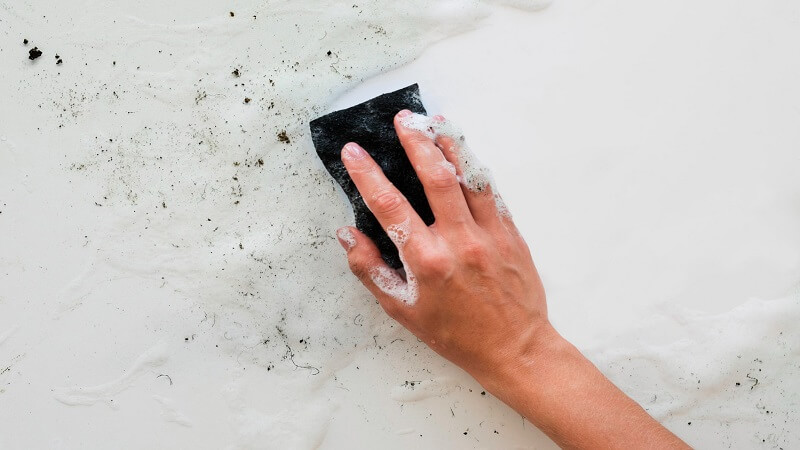
For mild or early-stage mold growth, a mixture of warm water and dish soap is an effective first-line approach. Gently scrub the affected area with a soft brush or sponge, taking care not to smear the mold onto surrounding surfaces. This method works best for non-porous surfaces or light mold buildup.
2. Vinegar Solution
White vinegar is a widely recommended, natural mold killer that is both non-toxic and effective. Spray undiluted white vinegar directly onto the moldy area and allow it to sit for at least one hour. Vinegar penetrates porous surfaces, helping kill mold at the root. After the waiting period, wipe the surface clean with a damp cloth. For stubborn areas, repeat the process or lightly scrub.
3. Baking Soda Paste
Baking soda is another gentle, non-toxic solution that helps remove mold while also deodorizing the area. Mix baking soda with a small amount of water until you form a thick paste. Apply the paste to the affected area, scrub gently, and then rinse with clean water. Baking soda is especially useful when you want to avoid harsh chemicals.
4. Commercial Mold Cleaners
If the mold growth is extensive or has been present for a long time, commercial mold removers may be necessary. These products contain stronger active ingredients designed to eliminate mold quickly and effectively. Always follow the product instructions carefully, wear appropriate protective equipment, and ensure the room is well-ventilated. Commercial solutions are best used on severe cases where natural remedies may not be strong enough.
Additional Tips for Effective Mold Removal
- Test cleaning solutions on a small area first to avoid damaging paint or finishes.
- Avoid mixing cleaning chemicals, such as bleach and vinegar, as this can create toxic fumes.
- Use disposable cleaning cloths or wash reusable materials thoroughly after use.
- Consider repainting walls with mold-resistant paint once the area is fully cleaned and dried.
Preventing Future Mold Growth
Successfully removing mold is only half the battle—keeping it from returning is key to long-term home maintenance. To prevent future mold growth:
- Fix leaks as soon as you notice them, whether they’re from pipes, windows, or the roof
- Use dehumidifiers in damp or humid rooms such as basements and bathrooms
- Improve airflow by using ceiling fans, exhaust fans, or opening windows regularly
- Keep indoor humidity below 50% whenever possible
- Clean and inspect walls regularly, especially in rooms with high moisture levels
- Ensure your home’s insulation is adequate to prevent condensation buildup
Taking these steps can dramatically reduce the likelihood of mold ever returning.
When to Call a Professional
While many mold problems can be handled with DIY solutions, there are circumstances where hiring a professional is the safest choice. If the mold covers a large area, continues to return despite cleaning, or is associated with major water damage, professional remediation may be necessary. Experts have specialized tools to detect hidden moisture sources behind walls, under flooring, or within insulation. They can also ensure that mold is completely removed without putting your health at risk.
If you or someone in your household has respiratory issues or sensitivities, it may also be best to leave the job to experienced professionals.
Removing mold from walls is entirely manageable when you have the right information, tools, and preparation. By addressing the moisture source, using safe and effective cleaning methods, and implementing long-term prevention strategies, you can maintain a healthier and more comfortable home environment. Always prioritize your safety, work carefully, and don’t hesitate to seek professional assistance when needed. Taking proactive steps today can help prevent future mold problems and protect the overall condition of your home.