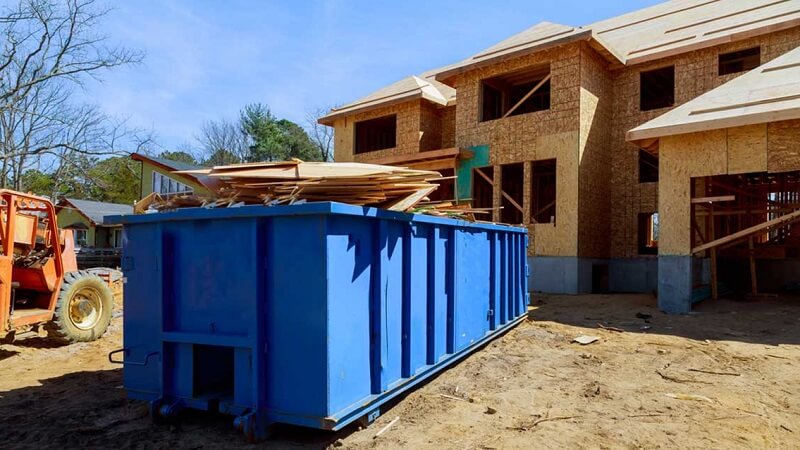
When renting a dumpster for a job, such as cleaning or renovating, you may underestimate the amount of space you’ll need. When the waste exceeds the size of the dumpster rental you have already rented, it will lead to overflow. Here is what to do if you need extra dumpster space during your rental period:
Assess Your Dumpster Needs
Assess the volume of waste to determine whether the overflow is likely to be temporary or could persist over a longer period. Understanding your waste generation patterns enables you to make an informed decision about whether you need to extend or upgrade your dumpster. If the overflow is temporary, monitoring how full the bin gets can help you decide whether to wait for normal service to resume. If the issue is ongoing, evaluate whether the same size bin will meet your needs in the future. This foresight helps prevent continued service disruptions and offers smoother waste management.
Coordinate With Dumpster Providers
Contact your service provider to discuss adding a new container or upgrading to a larger size. Early communication with your rental partner can help make sure operations proceed with fewer interruptions and reduce the chance of delays on the worksite. Arranging a larger dumpster before a demolition project begins may help accommodate sudden spikes in waste.
Scheduled pickups remove a full dumpster and replace it with an empty one, providing additional space without needing extra bins on site. Coordinating an extra haul can serve as a short-term solution if the existing container reaches capacity unexpectedly. Planning container replacements in advance helps keep waste from accumulating and limits potential project slowdowns. Consistently reviewing pickup schedules allows adjustments if worksite requirements change or exceed initial expectations.
Understand Capacity Limits
When a dumpster rental nears full capacity, and waste generation remains high, it may indicate the need for additional space. Checking the container’s weight and volume limits will help you plan how to manage incoming debris. Understanding potential capacity limits allows you to organize loading more effectively and avoid overfilling. A renovation site producing heavy materials like concrete or tile may reach volume or weight limits faster than one generating mostly cardboard and wood scraps. Monitoring how quickly the container fills provides insight into whether a larger container or an additional pickup might be needed. Coordinating with your service provider verifies that the container continues to meet the site’s waste output without interruptions.
Optimize Loading Methods
Optimize the load area by breaking down bulky or congested materials into smaller pieces before placing them into the dumpster; this approach makes the most of the available space and helps reduce the need for an additional container. Disassemble furniture, oddly shaped items, and long materials such as wood planks, pipes, drywall, or metal components, rather than placing oversized objects in whole. Cutting a long door or shelving unit into manageable pieces can create more room for other debris.
Strategically packing heavier, compactable materials like cement or concrete around larger, irregular items, such as broken furniture or uneven construction debris, helps fill gaps efficiently. Begin by placing large, heavy items on the bottom, then layer smaller debris into the remaining pockets. Lightweight materials such as cardboard, paper, insulation, or clothing can be placed on top.
Schedule Your Dumpster Rental Today
If you run out of dumpster rental space before completing a project, you may need to request additional capacity. Confirm whether the current unit is appropriately packed, or swap it out for a larger one. Meeting space needs promptly helps keep the project on track. A rental company will provide an additional container or arrange an extra pickup to accommodate all materials efficiently. Contact a dumpster rental company to learn more.