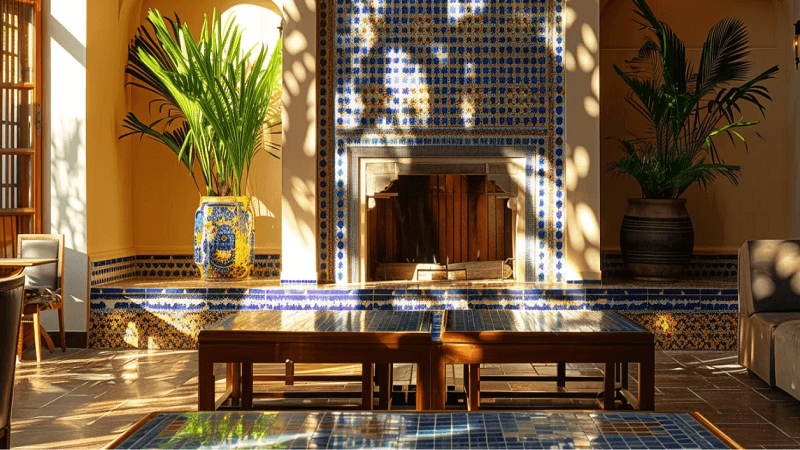
In the realm of home improvement and interior design, selecting the right fireplace can significantly influence the overall aesthetic of a space. Homeowners are often faced with the decision between a Zellige Tile Fireplace and a Traditional Brick Fireplace. Each style offers unique benefits and considerations, particularly for those aiming to achieve a modern look. This article will delve into the contemporary appeal of Zellige tiles, the timeless charm of brick fireplaces, and how each can fit into current design trends. By the end, you’ll have a clearer understanding of which option best aligns with your vision for a modern home.
Zellige Tile Fireplaces: A Contemporary Take on Tradition
Zellige tiles, known for their handcrafted nature and vibrant colors, have gained popularity in modern interiors. These tiles are often chosen for their unique ability to reflect light, adding depth and warmth to any room. The application of Zellige tiles in fireplaces creates a focal point that blends traditional craftsmanship with contemporary design sensibilities. This is particularly appealing to those who appreciate the fusion of old-world techniques with new-world aesthetics.
Incorporating a Zellige Tile Fireplace into your home not only enhances visual appeal but also aligns with sustainable design practices. These tiles are typically made from natural clay and glazed using traditional methods, which can contribute positively to a home’s LEED Rating, a measure of sustainable building practices. Furthermore, Zellige tiles often feature in the FF&E (Furniture, Fixtures, and Equipment) specifications due to their durability and aesthetic versatility.
Recent trends in interior design, particularly those guided by ASID Certification (a mark of excellence in the design industry), highlight the importance of incorporating unique textures and materials. Zellige tiles are frequently used to achieve such effects, making them an excellent choice for homeowners seeking a modern yet timeless design element.
Traditional Brick Fireplaces: Classic Charm Meets Functionality
Traditional brick fireplaces have long been a staple in home design, known for their durability and classic appeal. Brick’s natural texture and color variations offer a cozy, rustic charm that many find appealing. However, with the advent of modern design trends, these fireplaces are being reimagined with new finishes and techniques to suit contemporary aesthetics.
Brick fireplaces can be seamlessly integrated into a modern home by adding elements like sleek mantels or incorporating them into an open-concept floor plan. The use of CAD Software in the Schematic Design Phase allows designers to experiment with different configurations and finishes, ensuring the fireplace complements the overall design.
Moreover, traditional brick fireplaces are often praised for their functionality. They provide efficient heating and can be an integral part of a home’s hardscape elements, offering both outdoor and indoor applications. The durability and thermal mass of brick make it a reliable choice, maintaining warmth long after the fire has burned out.
Aesthetic Comparison: Zellige vs. Traditional Brick
When comparing the aesthetics of Zellige Tile Fireplaces and traditional brick fireplaces, several factors come into play. Zellige tiles offer a vibrant, glossy finish that can be customized to suit any color palette, making them ideal for those who prioritize Color Theory Application in their design choices. This flexibility allows for a seamless integration into various modern styles, from minimalist to bohemian.
On the other hand, traditional brick fireplaces offer a more subdued, earthy aesthetic. Their natural tones and textures can complement a variety of interior styles, from industrial to farmhouse. The inclusion of millwork detailing around a brick fireplace can further enhance its appeal, adding layers of sophistication and character to the space.
A study by the American Institute of Architects notes that homeowners are increasingly looking for designs that reflect their personal style while maintaining functionality. Whether through the understated elegance of brick or the vibrant allure of Zellige, both options can be tailored to meet these desires.
Choosing the Right Fireplace for Modern Interiors
Deciding between a Zellige Tile Fireplace and a traditional brick fireplace ultimately depends on individual style preferences and practical considerations. For those seeking a visually striking centerpiece that reflects light and offers a myriad of color options, Zellige tiles are a compelling choice. Their ability to enhance lighting footcandles in a room can create a warm and inviting atmosphere, perfect for modern interiors.
Alternatively, if the goal is to maintain a classic aesthetic with a proven track record of durability and heat efficiency, a traditional brick fireplace may be more suitable. The timeless appeal of brick, combined with modern touches such as updated mantels or innovative placement within a site plan analysis, can bridge the gap between traditional and contemporary design.
Ultimately, the choice between these two fireplace styles should consider the home’s architectural style, the desired ambiance, and the functional requirements of the space. Consulting with a certified interior designer can provide further insights and ensure that the selected fireplace aligns with the overall design vision.
Conclusion
Both Zellige Tile Fireplaces and traditional brick fireplaces offer unique advantages for modern home interiors. Zellige tiles bring a contemporary flair with their vibrant colors and reflective surfaces, while traditional brick fireplaces provide enduring charm and practicality. For those navigating the complexities of modern interior design, selecting the right fireplace can enhance the home’s aesthetic and functionality, creating a space that truly reflects individual style and preferences.