Key Takeaways
- Older St. Paul homes can develop plumbing concerns involving pipes, valves, fixtures, drains, and water heaters.
- Twin Cities Premier Plumbing serves St. Paul homeowners with emergency service, repairs, drain cleaning, water heater work, repiping, remodeling plumbing, and water treatment options.
- A careful diagnosis can help distinguish an isolated repair from a larger plumbing-system concern.
- Clear, upfront pricing gives homeowners useful information before they approve work.
- Questions about lead in household water should be addressed through official local guidance and appropriate testing.
Leaks, weak water pressure, slow drains, rusty-looking water, and unreliable hot water can feel especially stressful in an older home. These symptoms do not always mean that every pipe or fixture needs replacement, but they do call for a practical evaluation. Homeowners can turn to Twin Cities Premier Plumbing in St. Paul, MN, for residential plumbing help tailored to the condition and needs of the property.
Twin Cities Premier Plumbing is based in Minneapolis and serves St. Paul neighborhoods, including Highland Park, Macalester-Groveland, Como, Summit Hill, Hamline-Midway, the North End, and the East Side. The company offers licensed and insured residential plumbing service, with flat-rate pricing and a focus on explaining the repair options before work moves forward.
Why Older St. Paul Homes Need a Thoughtful Plumbing Assessment
Age alone does not determine whether plumbing is in poor condition. Still, older homes may contain a mix of original and updated components, which can make symptoms harder to interpret. A dripping shut-off valve may be a limited repair, while recurring leaks, discolored water, or widespread pressure loss may justify a broader look at accessible supply lines and fixtures.
Research on Twin Cities housing has found that older homes were more frequently in need of repairs than newer homes. That does not mean every older St. Paul property needs a major project. It does support a measured approach that starts with the actual symptom, the home’s known history, and the condition of the plumbing that can be inspected.
Common Warning Signs to Watch For
- Corroded or aging pipes: Low water pressure, recurring leaks, or rusty-looking water can indicate that supply piping deserves attention.
- Failing valves: Stiff handles, dripping around a valve, or an inability to fully stop water are reasons to schedule service.
- Water heater problems: Water around the tank, inconsistent hot water, unusual sounds, or visible corrosion should not be ignored.
- Drain concerns: A slow drain, repeated backups, or multiple affected fixtures may require more than a temporary drain-clearing product.
- Outdoor plumbing damage: A leaking hose spigot or water appearing after a thaw can point to a freeze-related problem.
How Twin Cities Premier Plumbing Approaches the Diagnosis
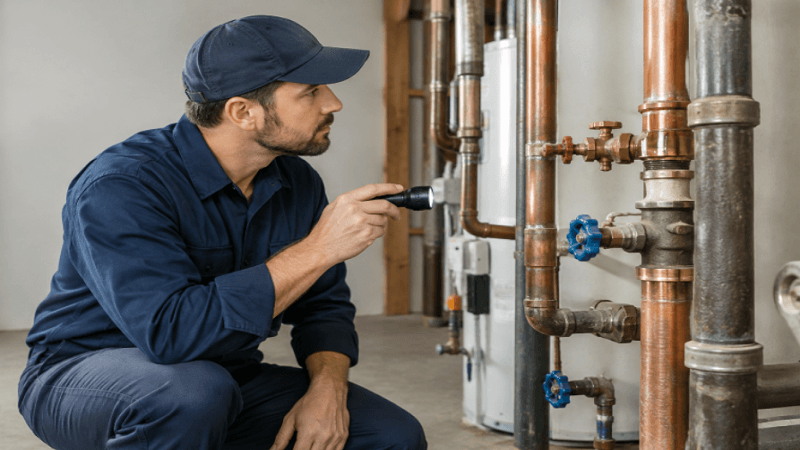
A useful service visit begins by identifying what changed and when. For example, a plumber may ask whether a leak began suddenly, whether pressure changed at one fixture or throughout the house, and whether a drain issue affects more than one location. From there, accessible fixtures, supply connections, valves, drains, and piping can be evaluated.
The next step is separating the immediate issue from any larger concern. Twin Cities Premier Plumbing states that it aims to fix what is actually broken rather than automatically recommend a complete replacement. Homeowners can then compare the available repair or replacement paths and understand the scope before authorizing work.
Residential Plumbing Services for St. Paul Homeowners
Twin Cities Premier Plumbing organizes its services around the issues that can disrupt daily life in a home. Depending on the problem, the service may include:
- Emergency plumbing for burst pipes, significant leaks, flooding, and other urgent failures.
- General plumbing repairs for leaks, running toilets, faucets, shut-off valves, and fixture problems.
- Water heater repair and replacement, including tankless water heater upgrade options.
- Drain cleaning for slow or blocked household drains.
- Pipe repair and repiping when targeted replacement or a more extensive update is appropriate.
- Kitchen and bathroom plumbing for sinks, faucets, disposals, rough-ins, and remodeling work.
- Spigot and valve service for indoor shut-offs and outdoor hose connections.
- Water filtration and softening for homeowners who want to address mineral buildup or household water treatment needs.
Protecting an Older Home From Water Damage
Small plumbing problems can become expensive when water reaches walls, ceilings, flooring, or electrical components. Prompt attention to an active leak, an overflowing fixture, a water heater leak, or a broken supply connection can limit the spread of damage. If possible, homeowners should know where the main water shut-off is located and whether it operates properly before an emergency occurs.
Seasonal preparation also matters in Minnesota. Before freezing weather arrives, outdoor hose connections should be disconnected, and exterior plumbing concerns should be addressed. If a pipe freezes, if water is flowing where it should not, or if a leak affects building materials, professional service is the safer response.
Older Water Lines and Lead Considerations
Plumbing work and water-quality testing serve different purposes. Saint Paul Regional Water Services explains that lead can enter household water through lead pipes, lead solder, or brass fixtures. Its guidance notes that lead water services were primarily installed in homes built before 1926, with some installed in homes built between 1927 and 1948. Homeowners with concerns should review the city’s information about lead and household water for testing, service-line, and risk-reduction guidance.
Twin Cities Premier Plumbing can inspect visible plumbing components and discuss repair or replacement options, but a plumbing inspection does not replace official testing or public-health guidance. When lead is a concern, use the appropriate local resources to confirm the service-line material and evaluate testing options.
What Upfront Pricing Should Help You Understand
Before approving plumbing work, homeowners should understand what problem is being addressed, what the proposed work includes, and whether conditions discovered during service could affect the final scope. Twin Cities Premier Plumbing promotes a flat-rate, upfront pricing approach that gives customers a price picture before qualifying work is scheduled.
Questions to Ask Before Work Begins
- What is causing the problem?
- Is this repair urgent, or can it be planned?
- Can the component be repaired, or is replacement the better option?
- What may happen if the work is delayed?
- Are permits or inspections needed for this type of project?
- What is included in the quoted scope of work?
How to Request Plumbing Service in St. Paul
When requesting service, describe the symptom, when it started, and whether there is active water damage or a loss of water service. Sharing the approximate age of the home, prior repairs, and any known pipe materials can also help prepare for the visit. For an urgent leak, flooding, burst pipe, or failed water heater, explain the immediate conditions so the appropriate response can be determined.
Frequently Asked Questions
Can Twin Cities Premier Plumbing help with an older St. Paul home?
Yes. The company provides residential services for common concerns in older properties, including aging pipes, valves, fixtures, drains, toilets, water heaters, and remodeling connections.
When should a homeowner call a plumber?
Call when there is an active leak, recurring clog, loss of pressure, water heater failure, frozen plumbing, discolored water, a broken spigot, or a toilet problem that continues after basic troubleshooting.
Does every plumbing issue require repiping?
No. The appropriate solution depends on the source and extent of the problem. A targeted repair may be suitable in some cases, while widespread deterioration or repeated failures may make broader pipe replacement worth discussing.