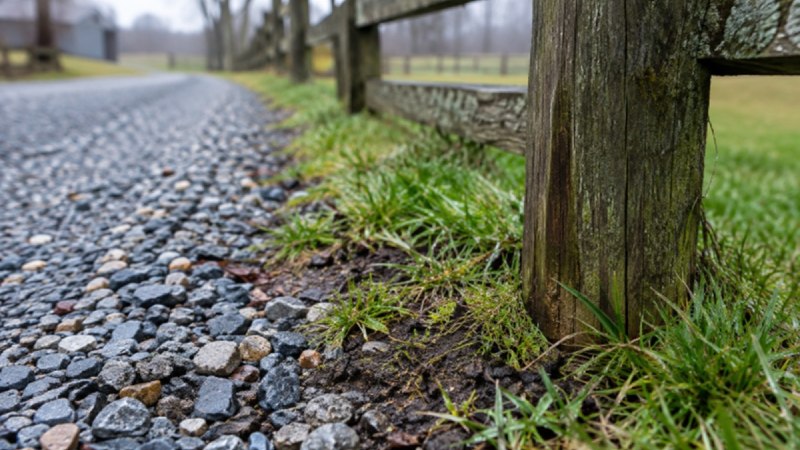
Buying in Hunterdon County, New Jersey, can mean choosing between a walkable borough, a neighborhood near commuter roads, or a home on several acres with more privacy and more responsibility. The best fit is rarely determined by square footage alone. Daily errands, road access, utility systems, maintenance demands, and the character of the surrounding area all shape whether a property will work over time.
As you compare locations and home styles, browse homes for sale in Hunterdon County through Christine Cura Real Estate. Its Hunterdon County property-search page gives buyers a practical way to review available homes across communities such as Flemington and nearby towns, from townhomes and in-town houses to larger-lot and country properties. With a focus on the Hunterdon County area, Christine Cura Real Estate can be a useful local starting point while buyers narrow their priorities.
Start With Daily Life, Not Just the House
A charming farmhouse or a quiet cul-de-sac can be appealing at a showing, but the right home must also support your normal week. Before falling in love with finishes, picture the drive to the grocery store, school, medical appointments, work, recreation, and visits with family or friends. A property that feels secluded may be ideal for one household and inconvenient for another.
One helpful question is simple: would you rather spend more time driving or pay more for convenience? There is no universal answer. The goal is to recognize the tradeoff before making an offer.
Choose the Community Type That Fits Your Priorities
- Small-town living: Borough settings such as Clinton, Flemington, or Lambertville may appeal to buyers who value a defined downtown, local businesses, older housing, and community events. Walkability varies by specific neighborhood, so test the route from the property rather than relying on a map label.
- Suburban living: Areas near major roads and established neighborhoods can offer more direct access to shopping, schools, and everyday services. Buyers should still evaluate traffic patterns and the actual distance to their frequent destinations.
- Rural living: Townships such as Readington and Tewksbury can offer larger parcels, open views, outbuildings, and a greater sense of separation. Those benefits often come with more land care, private systems, and longer service trips.
Build a Complete Monthly Housing Budget
The mortgage payment is only one part of the ownership cost. Ask your lender, insurance provider, and real estate professional to help you estimate property taxes, homeowners’ insurance, utilities, heating fuel, maintenance, and any homeowners’ association charges. Request recent utility information when available, especially for homes with oil heat, propane, well pumps, or large heated spaces.
Larger lots can add recurring work and expense. Lawn care, tree work, snow removal, driveway maintenance, drainage improvements, fencing, and repairs to outbuildings can all affect the budget. A lower purchase price does not automatically mean a lower-cost lifestyle.
Test the Commute From the Actual Property
Drive the route during the times you would truly use it, including weekday mornings and evenings. Short distances can take longer on winding roads, through congested intersections, or when weather affects visibility and travel speed. Also check access to major routes, train stations, bus options, and park-and-ride locations if they matter to your household.
Do not limit the test drive to work. Run the routes to a grocery store, pharmacy, school, health care provider, airport connection, and favorite weekend destinations. A home can be peaceful and still require more driving than you want to do year after year.
Review Wells, Septic Systems, and Shared Access
Some rural and semi-rural properties rely on private wells, septic systems, propane tanks, oil tanks, private roads, or shared driveways. These are not automatic deal breakers, but they deserve clear documentation and inspections. The EPA’s guidance for homebuyers with septic systems explains why understanding the system and arranging an appropriate inspection are important before closing.
- Ask when the well was last tested and whether records are available.
- Request septic pumping, service, and inspection records, along with the location of the tank and drainfield.
- Confirm whether propane tanks are owned or leased.
- Ask who is responsible for maintaining private roads, shared driveways, bridges, culverts, and drainage areas.
- Test mobile reception and confirm internet options at the house, not only on the road outside it.
Study the Land as Closely as the Floor Plan
Walk the lot and review the survey, disclosures, and available records. Look for easements, access rights, steep slopes, standing water, retaining walls, drainage channels, and signs of erosion. If a barn, shed, pool, fence, finished basement, or addition is important to your decision, ask whether it was properly permitted and whether it remains compliant with local requirements.
Future plans deserve the same attention. Before assuming you can add a garage, build an accessory structure, keep animals, create a home office with customer traffic, or alter the lot, check municipal zoning and permit requirements. Nearby farms, hunting areas, busy roads, rail activity, or commercial uses can also affect the day-to-day experience.
Check Flood, Storm, and Drainage Risks
Flood maps are a useful starting point, not a complete answer. Use the FEMA Flood Map Service Center to review official flood hazard information, then ask the seller about prior water intrusion, basement seepage, drainage work, storm damage, and insurance claims. If possible, revisit after significant rain to observe how water moves across the site.
Compare Hunterdon County Areas by Lifestyle
Instead of ranking towns as universally better or worse, compare them against your own needs:
- Flemington: Consider it if you want a broader range of in-town and nearby housing options, retail access, and road connections.
- Clinton: Consider it if a compact borough setting, historic character, and a recognizable downtown environment are priorities.
- Lambertville: Consider it if you value a river-town setting, arts-oriented atmosphere, and walkable amenities.
- Readington Township: Consider it when comparing established residential areas with more open township settings.
- Tewksbury Township: Consider it if privacy, acreage, country roads, and a more rural pace are central to your search.
Property Visit Checklist
- Visit in daylight and, when possible, after dark.
- Listen for traffic, trains, aircraft, generators, and nearby business activity.
- Check visible plumbing, water pressure, basement conditions, roof wear, and drainage.
- Drive routes to work, school, shopping, and medical care.
- Ask about boundaries, easements, repairs, utility systems, and taxes.
- Discuss inspections beyond a standard home inspection, including well, septic, chimney, roof, or drainage reviews when appropriate.
Common Mistakes to Avoid
- Choosing based only on photos, acreage, or a renovated kitchen.
- Assuming country living always costs less than suburban living.
- Skipping specialized inspections because the house appears well-maintained.
- Testing a commute only once, outside normal traffic hours.
- Assuming future uses are allowed without checking zoning and permits.
- Overlooking the long-term maintenance needs of land, driveways, trees, and private systems.
A Simple Decision Framework
List your non-negotiable needs, choose two or three community types to compare, and set a full monthly budget before focusing on individual listings. Then inspect the house, land, utilities, and surrounding area with the same level of care. The right Hunterdon County home is not simply the one with the most space or the lowest price. It is the one that fits your routine, maintenance comfort, financial plan, and future flexibility.